
Guides
Selling a Car Privately in Florida: How to Protect Yourself from Scams and Liability
Fake cashier's checks, curbstoners and tolls that arrive after the sale. Here is how to close a private car sale in Florida cleanly.
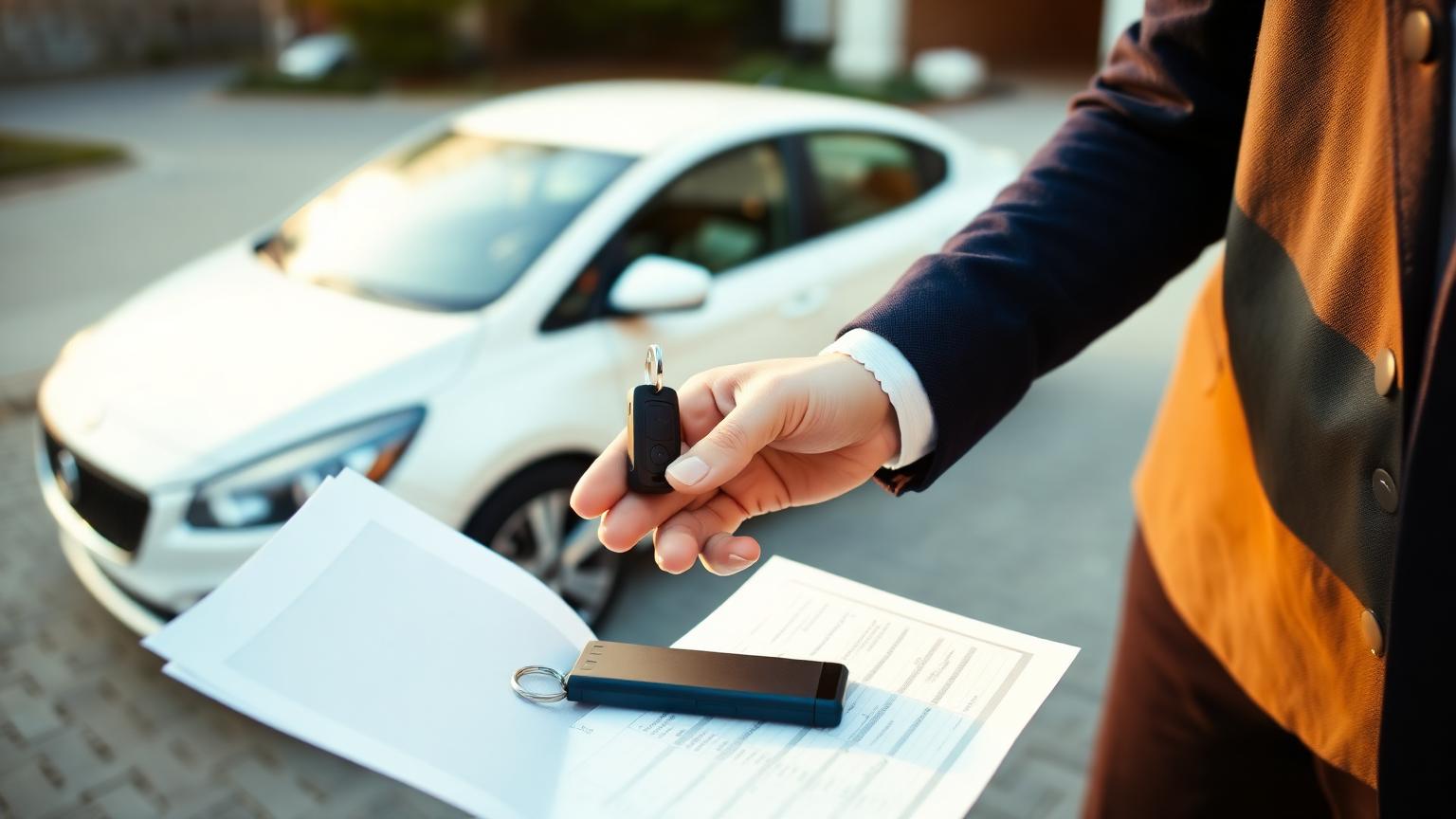
Private sales usually get you a better price than a trade-in. They also carry all the risk. These are the exact steps we walk sellers through every week at our Orlando office.
Before you list
- Confirm you hold a clean title. If the state or a lender holds it electronically, request it now — see lost or duplicate Florida titles.
- Get the lien released if you paid off a loan. A lien printed on the title stops the sale cold.
- Decode your own VIN so your listing details are accurate — free on our VIN check tool.
- Check for open recalls on the NHTSA lookup. Buyers will, and unfixed recalls are free to repair at a dealer.
- Price it with real data. Compare actual sold listings, not asking prices.
Red flags in a buyer
- Wants to pay with a cashier''s check for more than the price and asks you to wire the difference. Always a scam.
- Refuses to meet in person or sends a "shipping agent."
- Offers a Zelle or Cash App payment that "will clear later." Instant apps don''t reverse — but fake confirmation screenshots are trivial.
- Pushes you to sign the title and "fill in the rest later." That''s an open title and it''s illegal in Florida.
- Buys and flips multiple cars without a dealer license (a "curbstoner"). Selling to one exposes you to their downstream problems.
The safe way to take payment
- Meet at the buyer''s bank and watch the funds move, or
- Accept cash and count it at a bank teller window, or
- Use a verified wire that has actually settled in your account before you hand over keys.
Never release the vehicle or the signed title until money has cleared. Not "sent." Cleared.
The three documents that end your liability
- Signed title — complete the seller section fully: printed name, signature, date, odometer reading, and the actual selling price. No whiteout, no cross-outs, or Florida voids the title.
- Bill of sale, in duplicate, with an "as-is, no warranty" clause. Free form on our Florida bill of sale page.
- Notice of Sale, filed with FLHSMV the same day. This is the document that stops tolls, camera tickets and liability from following you.
Remove the plate. Always.
In Florida the tag belongs to the owner, not the vehicle. Take it off before the buyer drives away. Keep it for your next car — a plate transfer saves you the $225 initial registration fee on your replacement vehicle.
Tell your insurance the same day
Cancel or transfer coverage only after the title is signed over and the plate is off. Cancelling too early leaves you uninsured on a car still registered to you — which triggers a Florida registration suspension.
Test drives
Ask for a photo of the buyer''s driver license, ride along, and confirm your policy covers permissive use. Meet in a busy, well-lit public place — many Central Florida police departments offer safe-exchange parking areas.
Frequently asked questions
Do I have to collect sales tax? No. The buyer pays sales tax when they title the vehicle.
What if the buyer never transfers the title? The filed Notice of Sale is your protection. Keep the receipt.
Can I sell a car with a loan on it? Yes, but the payoff has to happen at closing — usually at the lender''s branch.
Can you handle the paperwork for both of us? Yes. Bring the buyer with you and we''ll do the title transfer, Notice of Sale, plate transfer and new registration in one visit. Book a time or request it online.
Close it right the first time
Both parties, one appointment, everything filed electronically. We''re minutes from the Florida Mall and we accept cash, Zelle, and credit or debit through Square — see our locations.
Ready for the next step?
Free Florida bill of sale generator
Fill it out online and download a signature-ready PDF.
Explore these topics